


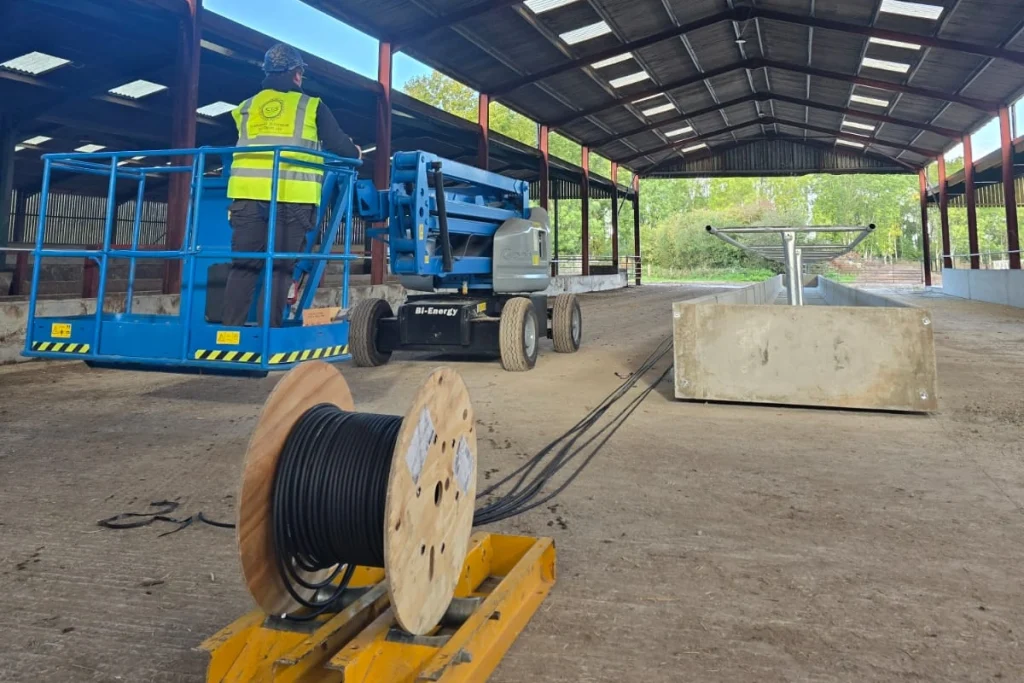
Agricultural Electrical Services in Thornbury
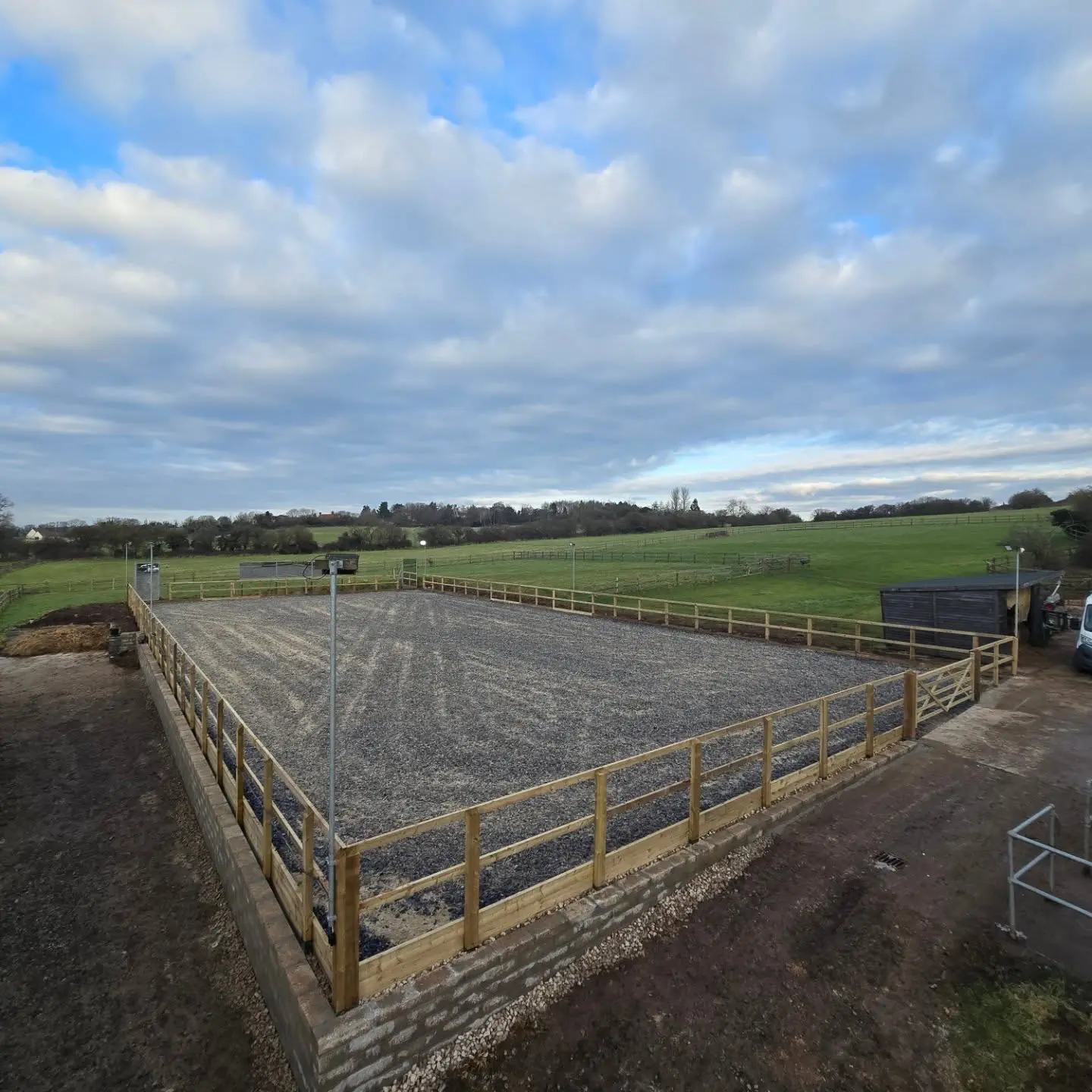
Our electricians work on farms, smallholdings, equestrian yards, and rural businesses across Thornbury, Yate, and the surrounding towns and villages.
Signature Electrical Solutions: Providing Safe, Reliable Electrical Solutions for Agricultural Properties
Agricultural electrical services from Signature Electrical Solutions keep farm buildings safe, productive, and compliant, with installations designed around damp, dust, livestock, and heavy machinery. Our team works with farmers, landowners, and rural businesses across Thornbury and Yate, and beyond, on new supplies, upgrades, and repairs. As an experienced electrician, we also carry out rewires, fit new fuseboards, and install EV charging points for farmhouses and yards.
Electrical Work for Every Farm Building
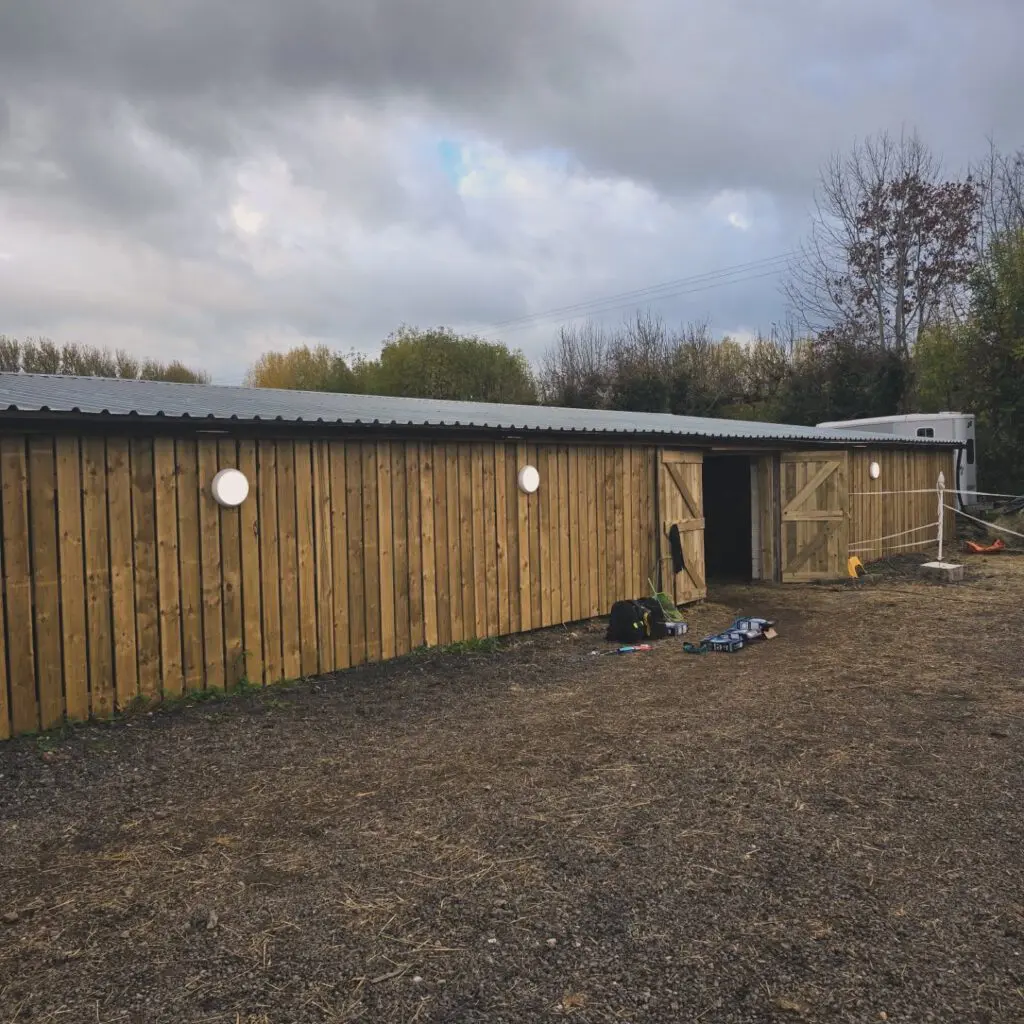
Different farm buildings place different demands on an electrical installation. Our agricultural electrical contractors plan power and lighting around how each building is used, covering:
- Barns and Livestock Housing – Electrical supplies and lighting planned around the needs of animals and day-to-day farm operations.
- Milking Parlours – Reliable power and lighting for specialist milking equipment and associated systems.
- Grain Stores and Workshops – Electrical installations supporting storage, machinery, maintenance, and general workshop activities.
- Greenhouses – Power and lighting designed around growing operations and the equipment used within the space.
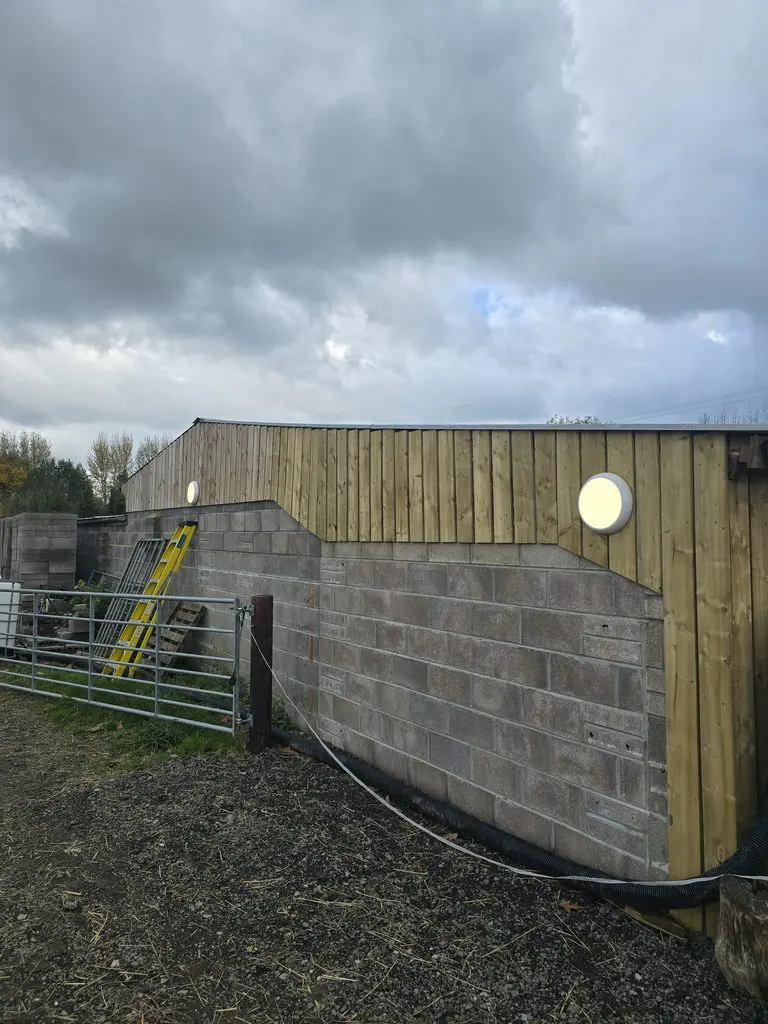
- Outbuildings and Additional Circuits – New supplies to outbuildings, additional sockets, and replacement distribution boards where required.
Having one agricultural electrician handle your farm electrical services keeps records consistent and makes future work simpler to plan.
Built for Damp, Dust, and Livestock
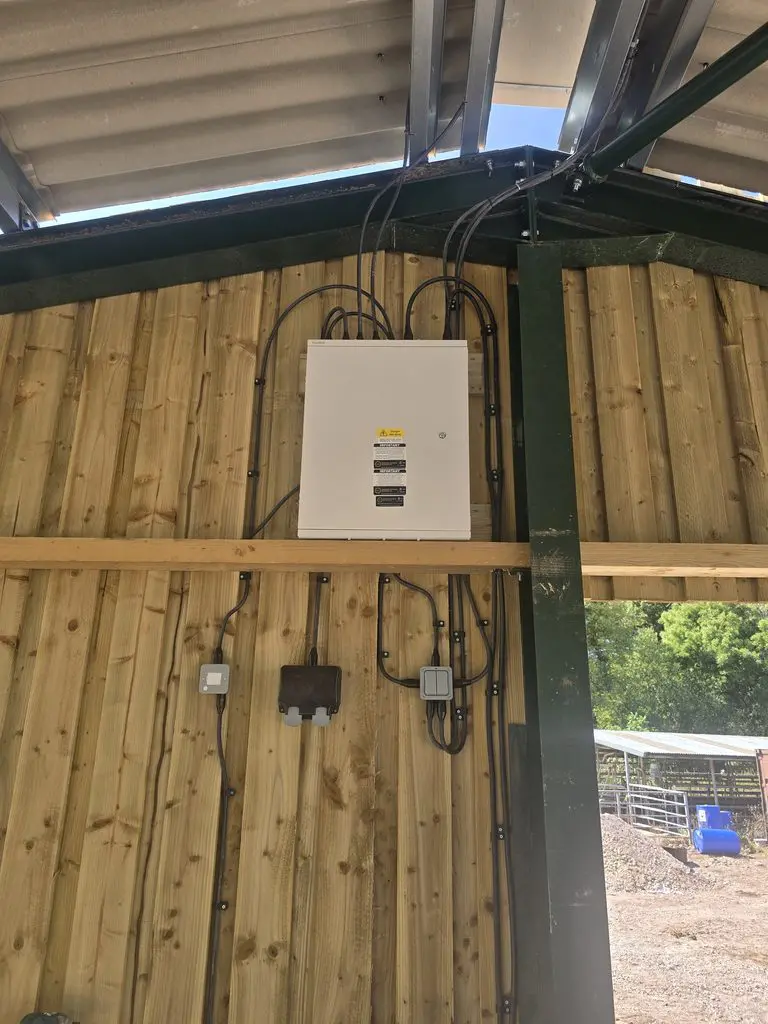
Farms in Thornbury and Yate are treated as special locations under Section 705 of BS 7671, so agricultural electrical installations need extra protection. That means RCDs rated at no more than 300 mA for fire protection, 30 mA protection on socket circuits, equipment kept out of reach of livestock, and supplementary bonding where animals can touch metalwork. Our agricultural electrical services use armoured cable and enclosures rated for dust and moisture. When comparing agricultural electrical contractors, ask how they apply Section 705; as your farm electrician, we build these requirements into every job.
Three-Phase Power and Farm Lighting
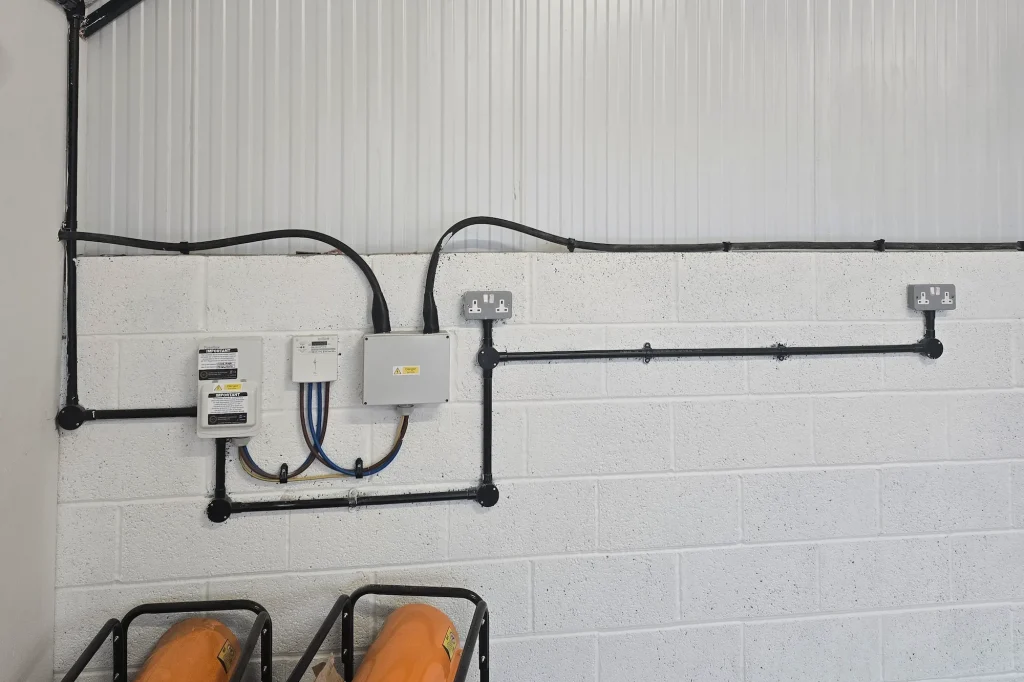
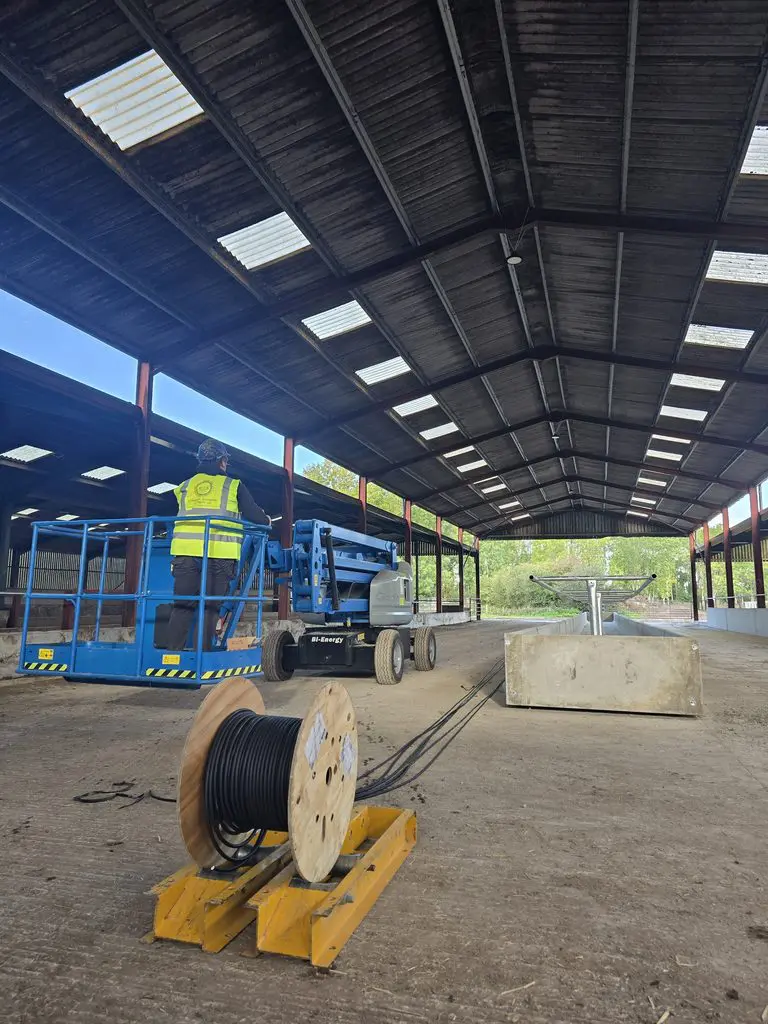
Grain dryers, milking equipment, slurry pumps, and workshop machinery often need a three-phase supply and sub-mains running between buildings. An agricultural electrician from our team assesses the existing supply and load before designing agricultural electrical installations that run heavy equipment reliably. We also fit LED yard lighting, security lighting, and livestock shed lighting, giving you agricultural electrical contractors who can handle power and lighting together.
Inspection, Testing, and Planned Maintenance
IET guidance recommends inspecting agricultural electrical installations every three years, reflecting the wear caused by moisture, vermin, and vibration. Our farm electrical services include EICRs, PAT testing, and planned maintenance visits that catch faults before they disrupt feeding, milking, or harvest. When something fails unexpectedly, our 24-hour emergency call-out means a farm electrician can attend, make the installation safe, and arrange a permanent repair.
Supporting Diversification and Future Growth
Farm shops, holiday lets, and storage units are common diversification projects in and around Thornbury and Yate, and each conversion needs a safe, properly certified supply. Our agricultural electrical services cover these projects, along with solar panels on barn roofs and EV charging for vehicles on site. An agricultural electrician familiar with both farm electrical services and commercial standards can plan each stage, and the same farm electrician can return as the business grows.
FAQs – Agricultural Electrical Services
Farm electrical installations should be designed and installed to BS 7671, with Section 705 setting additional requirements for agricultural and horticultural premises. These cover RCD protection, cable selection, IP ratings, and bonding in areas used by livestock. The Electricity at Work Regulations 1989 also apply where people are employed on the farm, placing duties on employers to keep electrical systems safe and properly maintained.
IET Guidance Note 3 recommends inspecting and testing agricultural and horticultural installations every three years. This frequency reflects the damp, dusty, and corrosive conditions found on farms, along with damage from vermin, machinery, and livestock. An inspector may recommend a shorter interval where the installation is in poor condition or the environment is particularly harsh.
PME earthing is not recommended for livestock areas unless a metal grid is laid in the floor and bonded to the installation. A broken supply neutral can raise the voltage on earthed metalwork, and animals are far more sensitive to small voltages than people. Many farm buildings therefore use a TT earthing arrangement with local earth electrodes and suitable RCD protection.
Yes, BS 7671 requires RCD protection in agricultural premises, both to reduce the risk of electric shock and to protect against fire. Socket circuits rated up to 32 A need 30 mA devices, larger socket circuits need 100 mA, and other circuits need RCDs rated at no more than 300 mA. This matters on farms, where straw, dust, and feed can easily ignite.
Speak to Our Team
Signature Electrical Solutions provides agricultural electrical services across Thornbury, Yate, and the surrounding countryside, with every quotation backed by an agreed guarantee. To arrange a site visit or discuss a project, call our team on 07472 067748.