


EV Charging in Yate
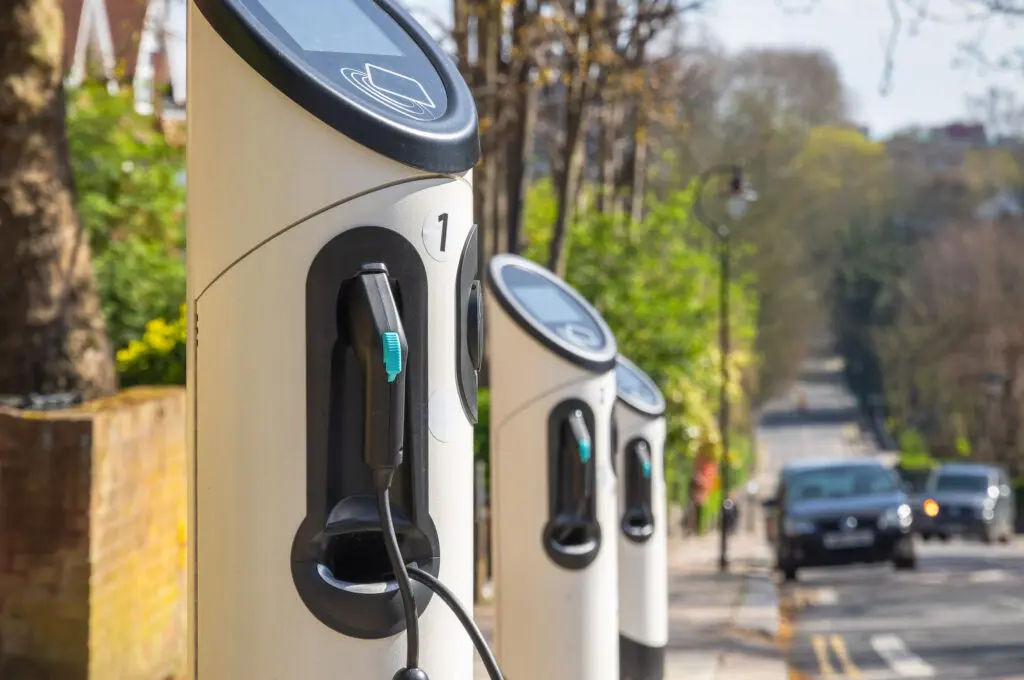
Our electricians fit smart chargers for homes, offices, commercial units, and factories across Thornbury, Yate, and nearby Gloucestershire towns and villages, with testing and certification included.
Signature Electrical Solutions: Providing Safe, Reliable EV Charging Solutions for Homes and Businesses
EV charging at home or work makes running an electric or plug-in hybrid vehicle simpler. expert electrician, Signature Electrical Solutions, installs smart chargers for houses, offices, commercial units, and factories across Thornbury and Yate, helping you choose a unit suited to your vehicle and daily mileage. Where a property needs more capacity, our team can also fit new fuseboards or carry out rewires before installation.
Choosing the Right Charger for Your Vehicle
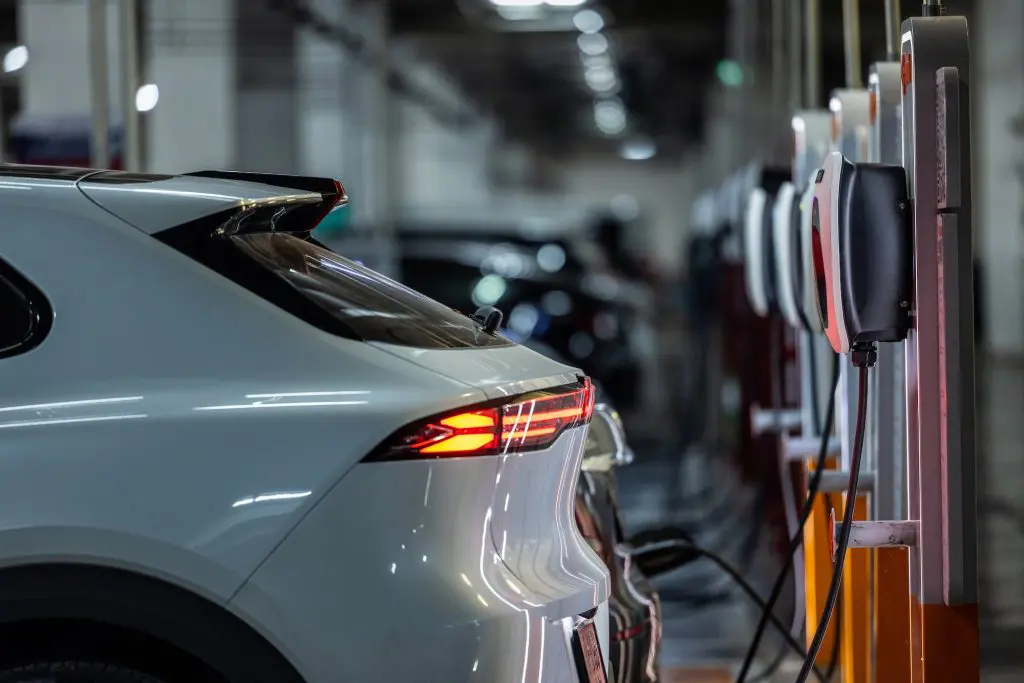
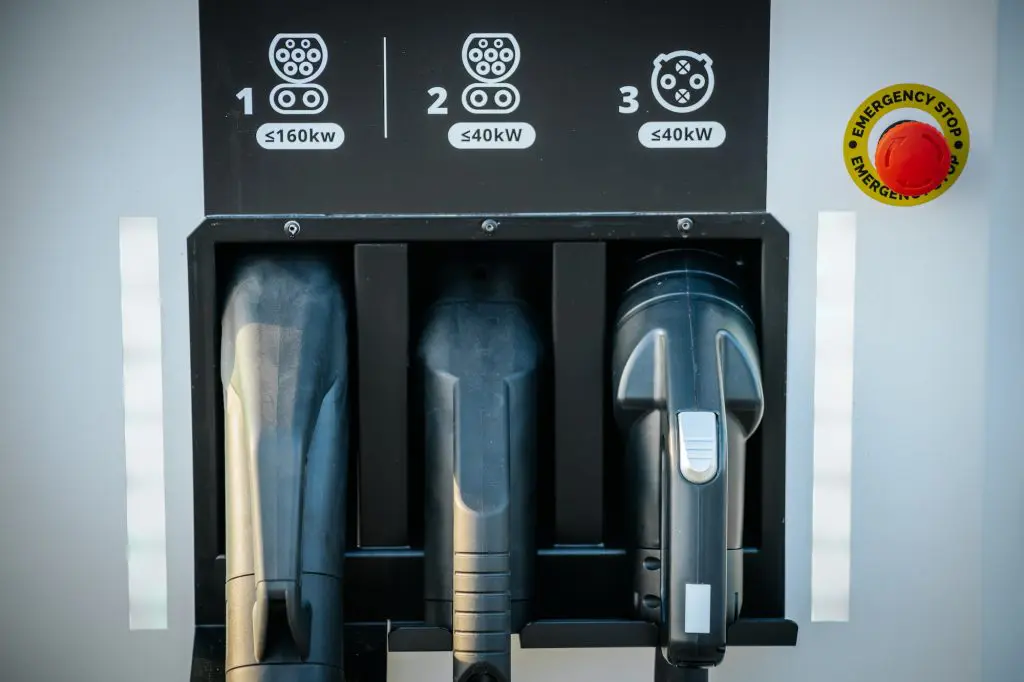
Most home EV chargers run at around 7 kW on a single-phase supply, which suits overnight charging for most daily journeys. Properties with a three-phase supply can support faster units, which is often useful for businesses with fleet vehicles. We discuss your vehicle, typical mileage, and parking arrangements before recommending a model, so your electric vehicle charging setup matches how you drive, and your EV charger installation is sized correctly.
Smart Features, Placement, and Energy Monitoring
Home and workplace EV charging points sold in Great Britain must include smart functionality. When choosing and installing an EV charger, key considerations for those in Thornbury, Yate, and beyond, include:
- Smart Charging – Charging can be scheduled for off-peak hours when electricity is often cheaper.
- Energy Monitoring – Many home EV chargers connect to an app that tracks energy use and charging costs.
- Solar Integration – Some EV chargers can work alongside solar panels, allowing you to make better use of electricity generated at your property.
- Practical Placement – We position your EV charger so the cable reaches your vehicle comfortably without trailing across paths or creating unnecessary trip hazards.
As your trusted electrician and EV charger installer, we will advise on the most suitable features and placement for your property.
Preparing Your Supply Before Installation
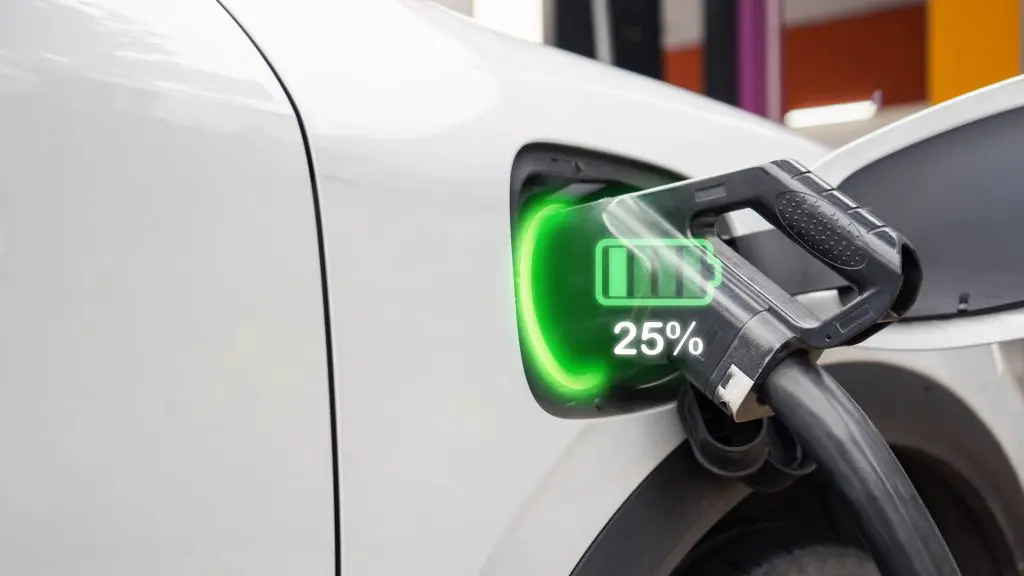
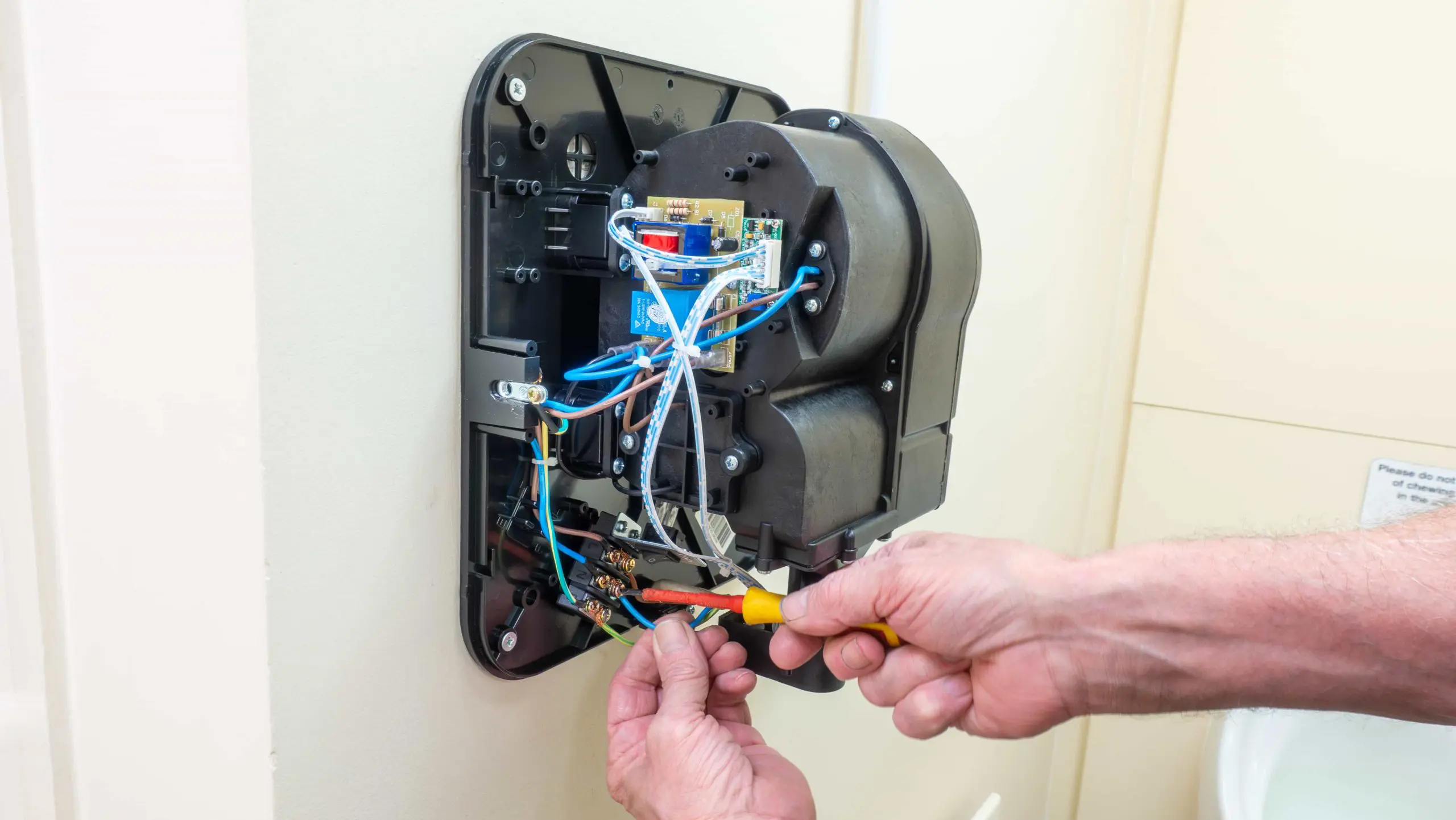
A charger adds a heavy, sustained load, so we check the incoming supply, main fuse rating, earthing arrangement, and consumer unit before work begins. Some properties need a board upgrade or load management to support EV charging safely alongside cookers, showers, and heat pumps. We also notify the local network operator as part of each EV charger installation, keeping your electric vehicle charging connection properly recorded.
Installation, Testing, and Handover
On installation day, we mount the charger, run a dedicated circuit with suitable protection, and connect it to your consumer unit. A new circuit is notifiable under Part P, so as a NAPIT-registered EV charger installer, we self-certify each EV charger installation and provide an Electrical Installation Certificate. Before leaving, we test the unit, set up the app, and show you how to schedule charging, so your charger and any additional EV charging points are ready for everyday electric vehicle charging.

Charging Solutions for Homes, Workplaces, and Factories
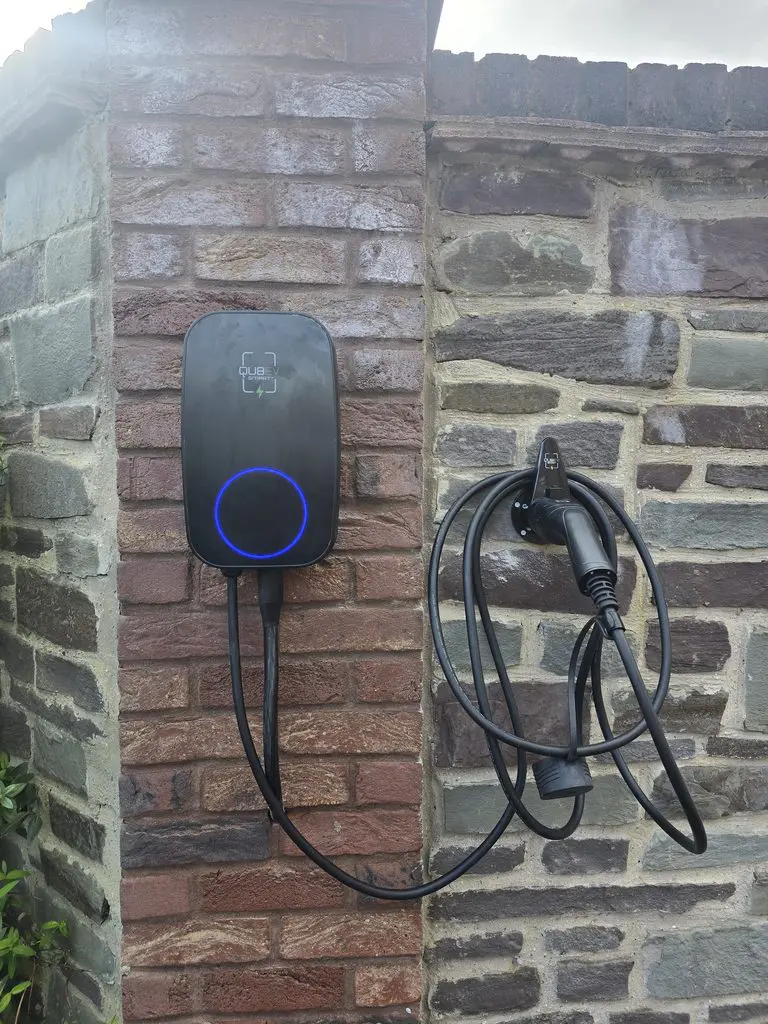
Home EV chargers suit driveways and garages, while offices and commercial units often need several EV charging points for staff, visitors, or fleet vehicles, sometimes with load balancing to share the available supply. Factories and industrial sites may benefit from three-phase units for faster turnaround. As a local EV charger installer, we plan EV charging around each site’s layout and supply, and every quotation carries an agreed guarantee.
FAQs – EV Charging
Yes, in practice, as home and workplace chargers sold in Great Britain must have smart functionality under the Electric Vehicles (Smart Charge Points) Regulations 2021. Smart chargers can schedule sessions for off-peak times, when many energy tariffs offer cheaper electricity, and let you monitor usage through an app. The rules apply to most private chargers sold since 30 June 2022.
A 7 kW charger is the better choice for most homes, as the majority of UK properties have a single-phase supply that cannot support 22 kW charging. A 22 kW unit needs a three-phase supply, which is more common in commercial and industrial buildings. Many vehicles also have onboard chargers that limit how much alternating current power they can accept.
Yes, a charger needs a new dedicated circuit, which is notifiable work under Part P of the Building Regulations in England. A registered electrician can self-certify the installation and issue an Electrical Installation Certificate, avoiding a separate building control application. The local network operator must also be notified, which the installer normally handles as part of the job.
Yes, most electric cars can charge from a standard three-pin socket using a suitable portable cable, but it is slow and not intended for everyday use. A domestic socket delivers far less power than a dedicated charger, and long sessions place a sustained load on sockets and wiring that were not designed for it. A dedicated charger is safer and considerably faster.
Book Your Charger Installation
Signature Electrical Solutions provides EV charging installations for homes and businesses across Thornbury, Yate, and the wider Bristol area. To discuss the right charger for your vehicle and property, call our team on 07472 067748.