


Rewires in Thornbury
Find out more about the full and partial rewires Signature Electrical Solutions undertakes for domestic and commercial clients in Thornbury, Yate, and the wider Bristol area.
Signature Electrical Solutions: Bringing Domestic, Commercial, and Industrial Properties Up to Modern Safety and Efficiency Standards
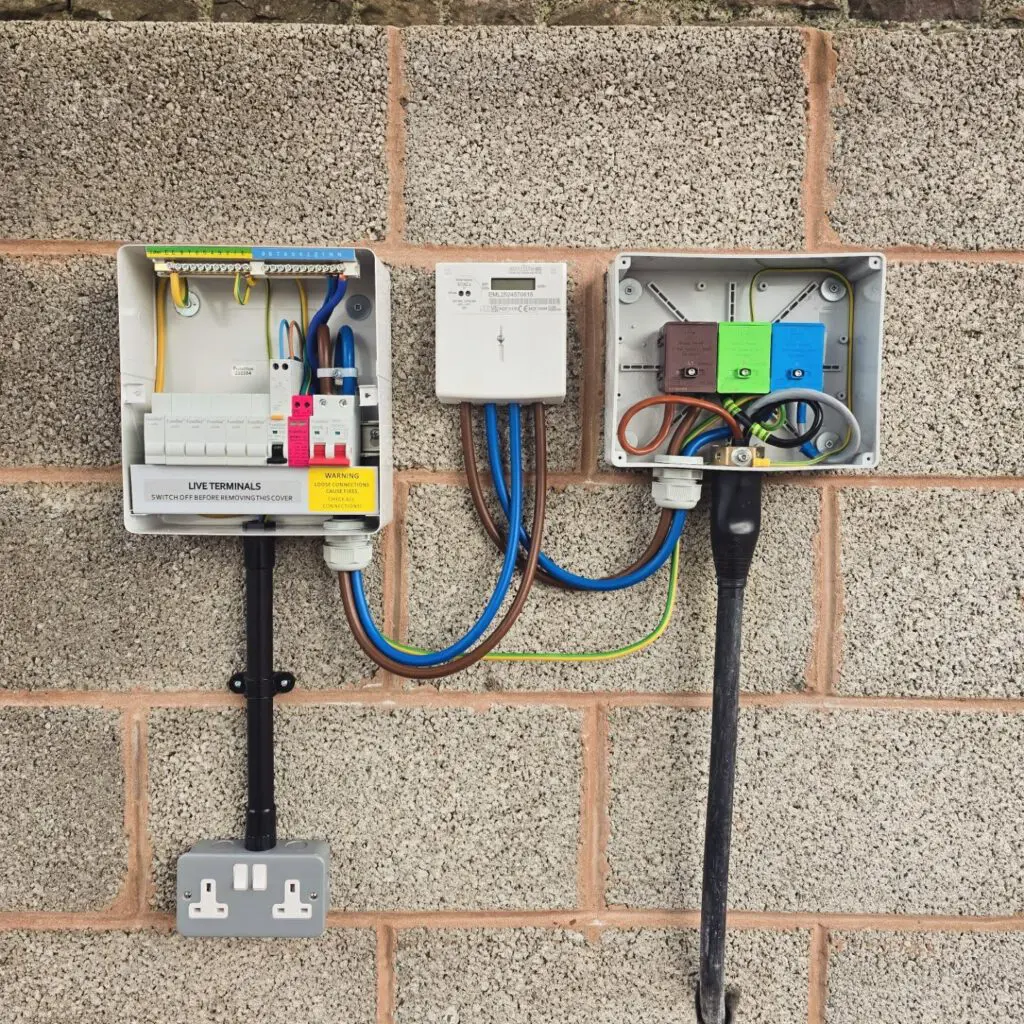
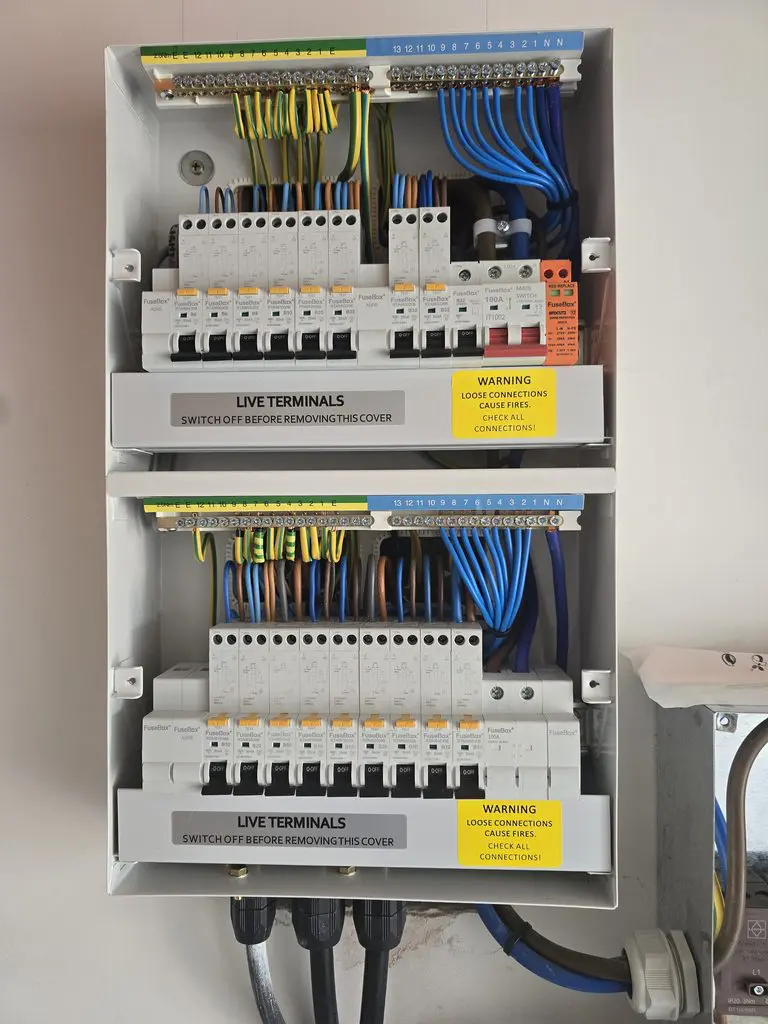
Signature Electrical Solutions carries out full and partial rewires for domestic, commercial, and industrial clients across Thornbury and Yate, replacing ageing or unsafe wiring with an installation built to current standards. Every quotation carries an agreed guarantee, and our NAPIT and SMAS accreditation reflects the standards our work is regularly assessed against. An experienced electrician, we also fit new fuseboards, provide landlord certificates, and deliver agricultural electrical services.
Full and Partial Rewiring Explained
A full rewire replaces the cables, sockets, switches, light fittings, and consumer unit throughout a property, while a partial rewire targets specific circuits or rooms, such as a kitchen, extension, or loft conversion. The right choice depends on the condition of the existing installation rather than its age alone. Before recommending a house rewire, our electricians inspect and test the wiring to establish exactly what needs replacing.
Signs Your Wiring Needs Replacing
Recognising the warning signs of ageing or overloaded wiring can help prevent electrical faults and identify when a rewire may be needed. Common indicators include:
- Frequent Tripping – Repeatedly tripping circuits can indicate that wiring is overloaded or developing a fault.
- Burning Smells or Discoloured Sockets and Switches – These can suggest that wiring or connections are overheating and require investigation.
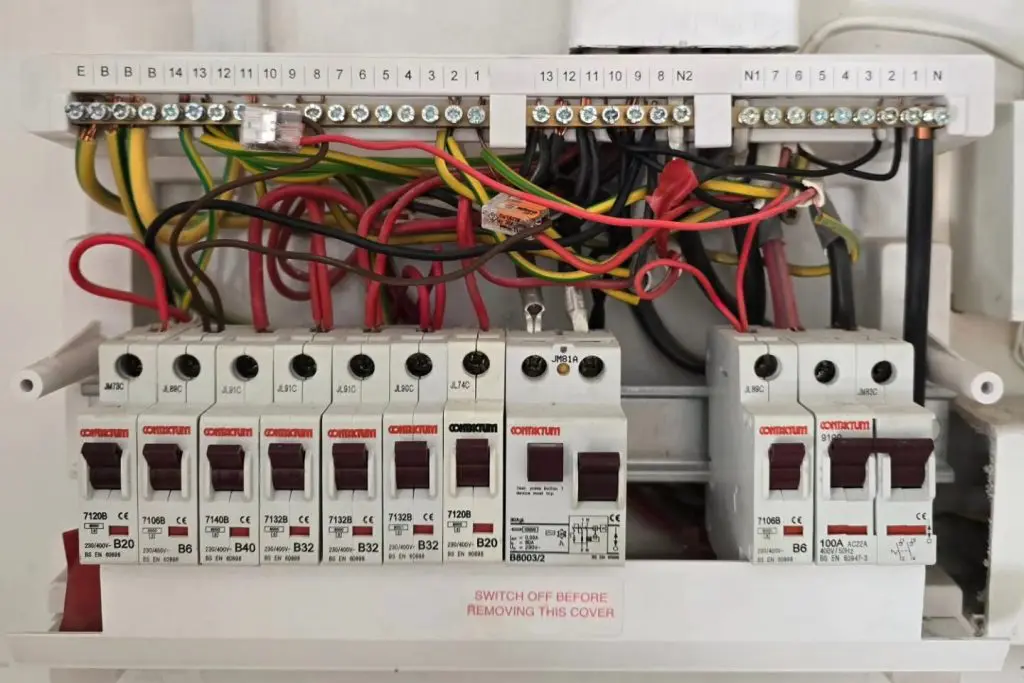
- Old Rubber, Lead, or Fabric-Insulated Cables – These materials deteriorate with age and can indicate that a full rewire is required.
- Heavy Reliance on Extension Leads and Adaptors – Regularly needing extensions can suggest that a property has outgrown its existing circuits, with a partial rewire and additional sockets often providing a safer solution.
Our rewires begin with testing, so recommendations are based on evidence and the actual condition of your electrical installation.
Planning the Work Around Your Property
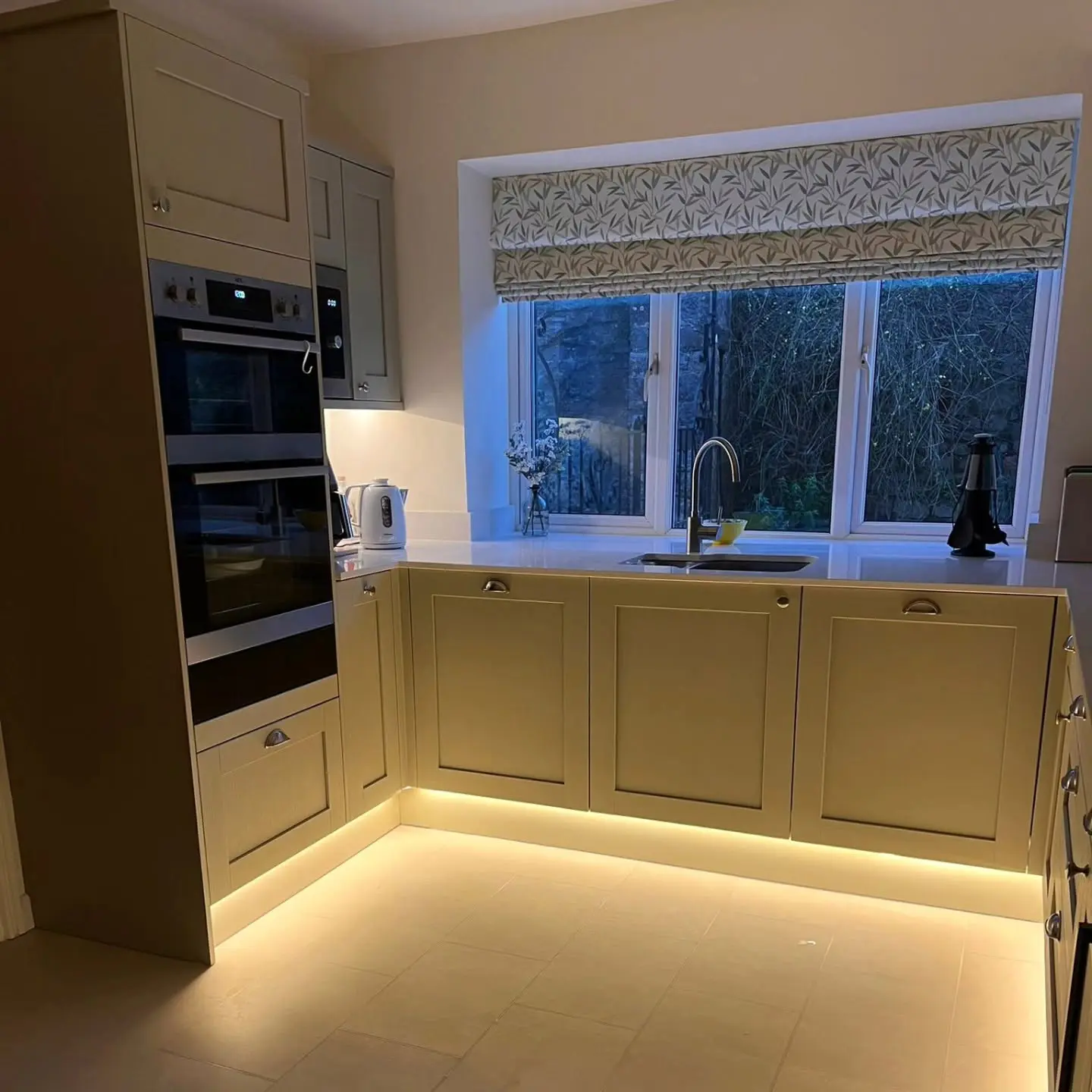
Each project starts with an itemised quotation, followed by a circuit design built around how the property is used, including capacity for EV charging and smart controls. A house rewire usually takes place in two stages: first fix, when cables are run behind walls and under floors, and second fix, when accessories are fitted. A partial rewire can often be completed with much of the property still in use.
Testing, Certification, and Compliance
Rewiring a home in Thornbury, Yate, or the surrounding areas is notifiable under Part P of the Building Regulations, and as a NAPIT-registered electrician, we self-certify the work and notify building control. Every circuit is tested against BS 7671 before the installation is put into service, and you receive an Electrical Installation Certificate on completion. For landlords, the certificate issued after a full rewire can stand in place of a new EICR for five years, making a house rewire a sound long-term investment for a rental.

Rewiring Homes, Businesses, and Industrial Sites
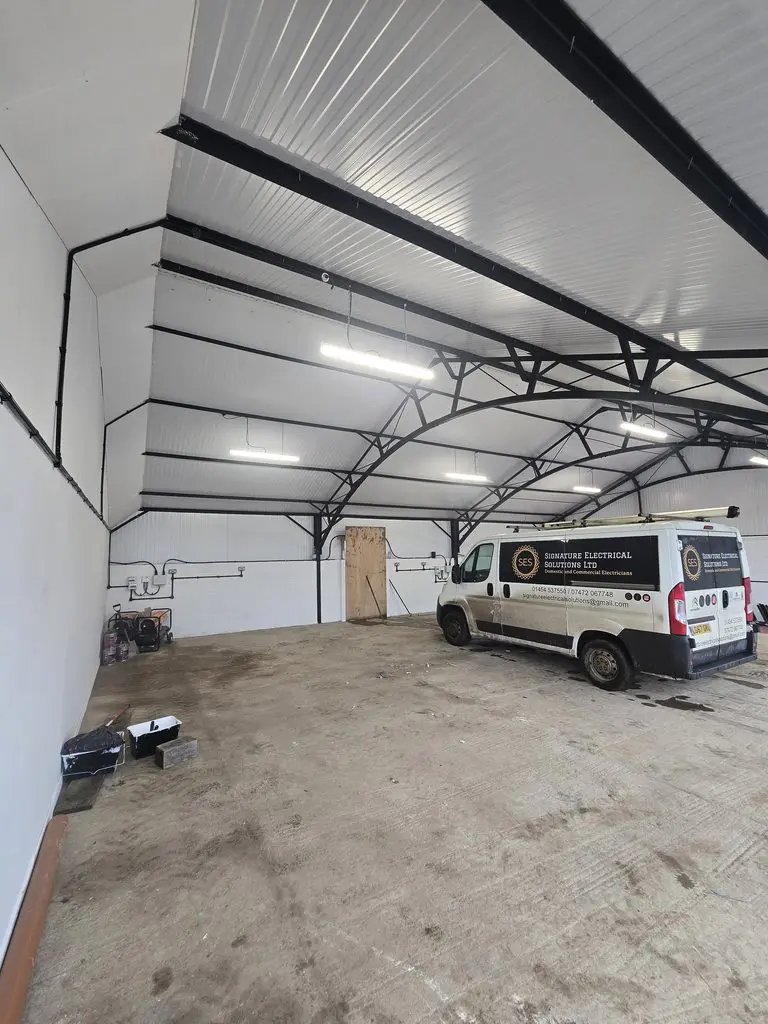
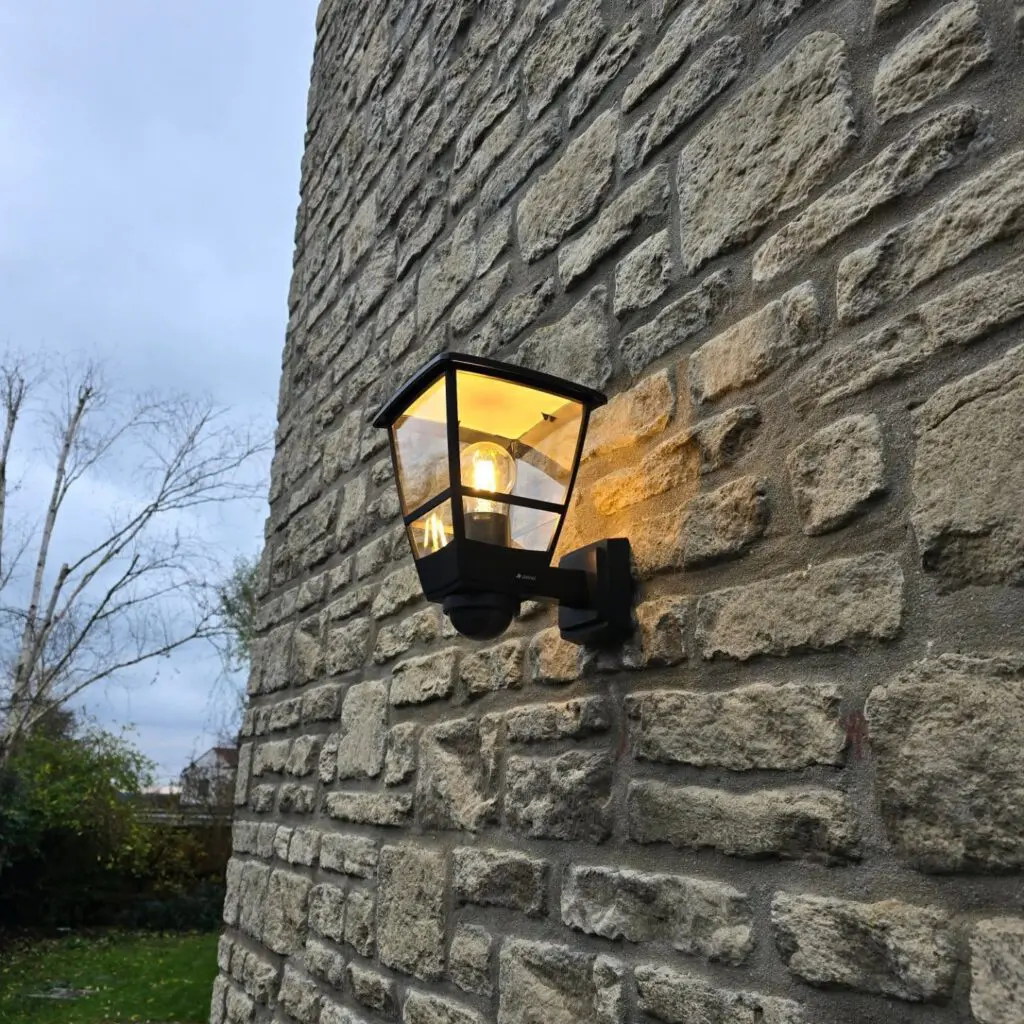
Our domestic rewires cover houses, flats, and rental properties, while commercial projects include offices, shops, and hospitality venues that need more capacity. Industrial sites often require three-phase distribution and heavier cabling for machinery. Rural outbuildings and farm workshops are also part of our work, and no job is too small, so a single circuit in a Thornbury or Yate home receives the same care as a larger project.
FAQs – Rewires
The clearest signs are frequent tripping, burning smells, discoloured sockets or switches, and old rubber, lead, or fabric-insulated cables. An inspection by a registered electrician is the most reliable way to confirm the condition of the wiring, as appearance and age only tell part of the story. The resulting report identifies any safety issues and the upgrades needed to resolve them.
A full replacement covers the electrical installation throughout the property, while partial work focuses on specific circuits or areas, such as a kitchen renovation or an extension. There is no requirement to replace an entire installation simply because some wiring is old or predates the latest BS 7671. The right scope depends on the condition, design, and safety of the existing system.
Yes, rewiring a house in England is notifiable electrical work under Part P of the Building Regulations. Using an electrician registered with a competent person scheme allows the work to be self-certified, so the homeowner does not need to make a separate building regulations application. Signature Electrical Solutions is registered with NAPIT, a government-authorised competent person scheme for domestic electrical work.
Yes, every rewire should be inspected and tested before the installation is put into service. Testing confirms the new wiring meets the requirements of BS 7671 and that the protective devices operate correctly. Once testing is complete, you should receive an Electrical Installation Certificate, which provides useful evidence of the installation’s condition when the property is sold, let, or altered in future.
Book a Rewire Today
If you are in Thornbury, Yate, or the surrounding area, and are looking for a team of experts adept at full or partial rewires for a property, call trusted electrician Signature Electrical Solutions on 07472 067748 to arrange a visit.