


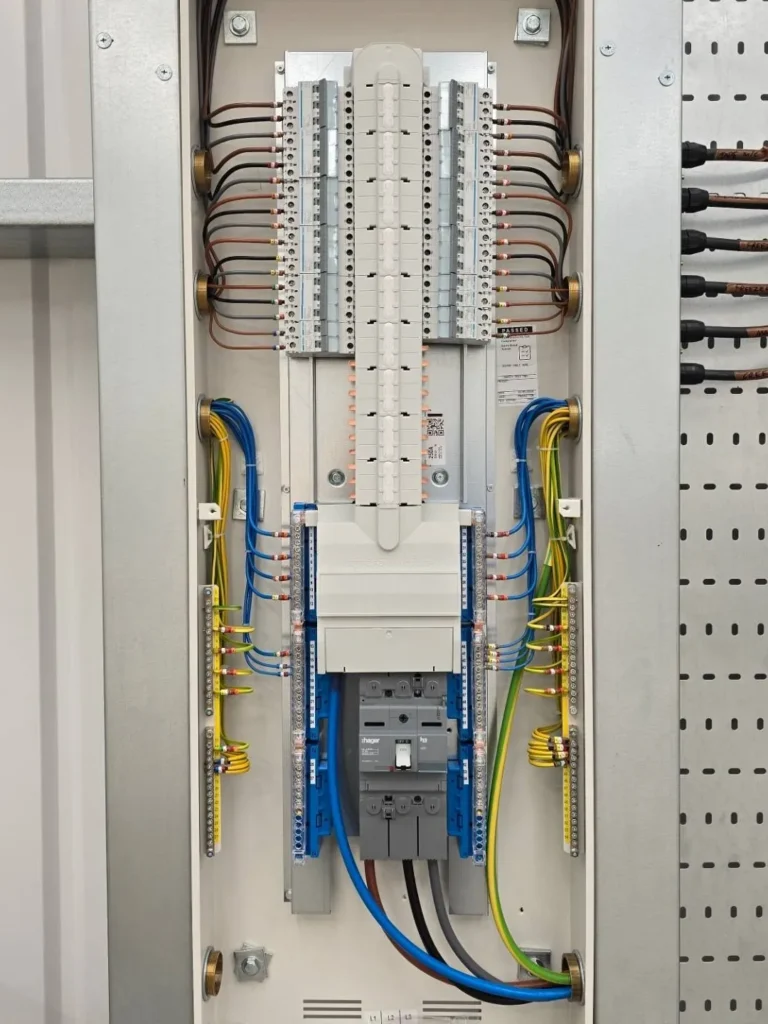
New Fuseboards in Yate
Our electricians replace and upgrade consumer units in homes, rental properties, businesses, and farm buildings across Thornbury, Yate, and the surrounding towns and rural villages.
Signature Electrical Solutions: Upgrading Domestic, Commercial, and Industrial Properties with Modern Fuseboards
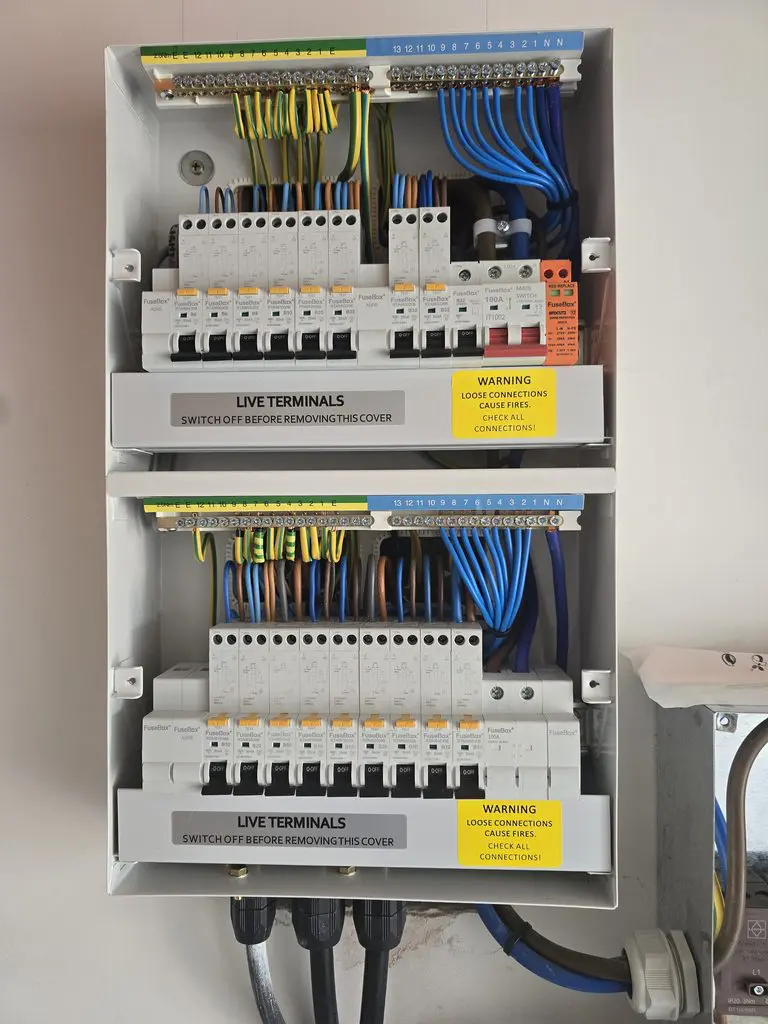
New fuseboards bring every circuit in a property together in one clearly labelled consumer unit, with protection selected to suit the installation. Signature Electrical Solutions fits modern boards for homeowners, landlords, and businesses across Thornbury and Yate, testing each one and providing full certification. Our electricians also carry out rewires, EV charging installations, and landlord certificates.
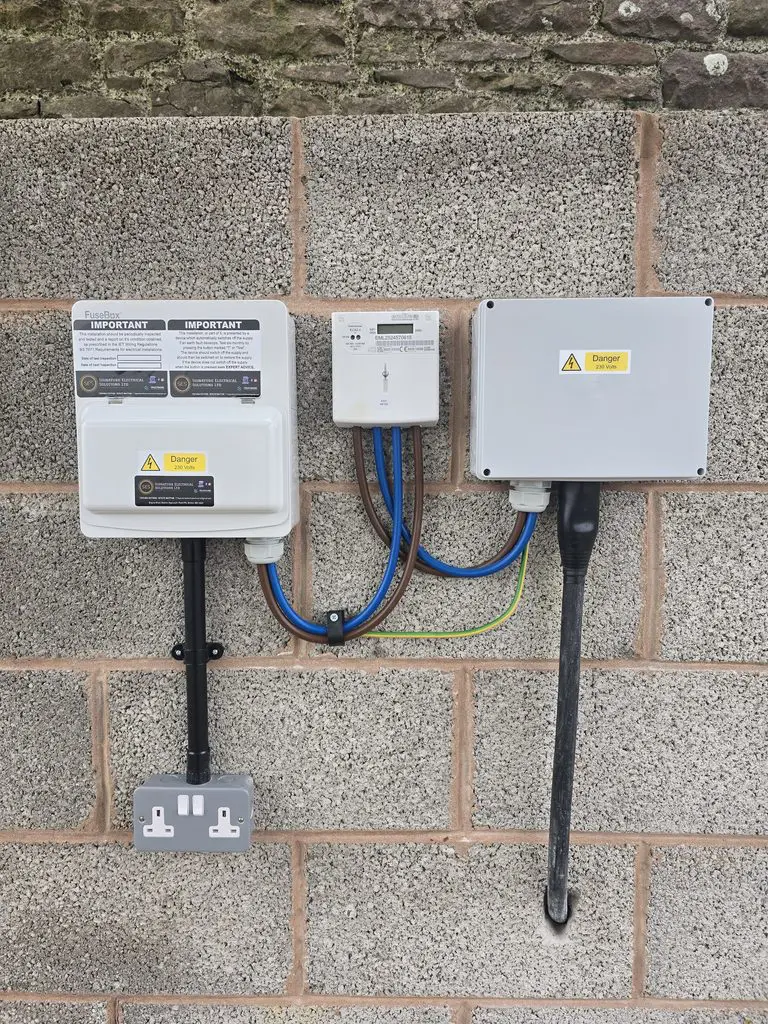
Signs Your Electrical Board Needs Attention
Recognising when a fuseboard needs replacing can help maintain electrical safety and ensure your installation can support modern demands. Common signs that your electrical board may need attention include:
- Rewireable Fuses or an Older Fuseboard – Older units may lack modern safety features and may no longer meet current wiring requirements.
- No RCD Protection – Fuseboards without RCD protection provide less protection against electric shock and electrical faults.
- Wooden Backing Boards – Older wooden-backed installations may indicate that the fuseboard is outdated and could benefit from an upgrade.
- Repeatedly Tripping Circuits – Frequent tripping can indicate an underlying electrical fault or that the existing board is struggling to manage the property’s electrical demands.
- Scorch Marks or Signs of Overheating – Discolouration, scorching, or burning around the fuseboard casing should be investigated promptly.
- Plans to Install New Electrical Systems – Adding an EV charger, heat pump, or solar panels may require a replacement fuseboard with sufficient capacity and appropriate protection.
- A C2 Observation on an EICR – A C2 observation relating to the consumer unit indicates a potentially dangerous issue that requires attention.
What a Modern Consumer Unit Includes
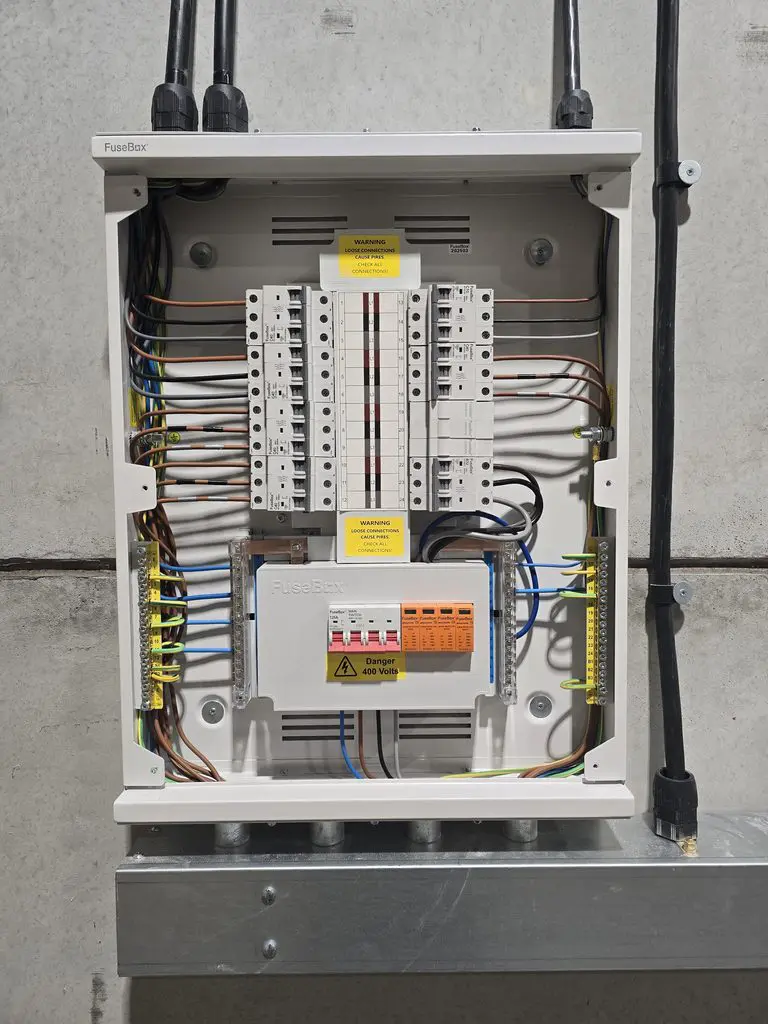
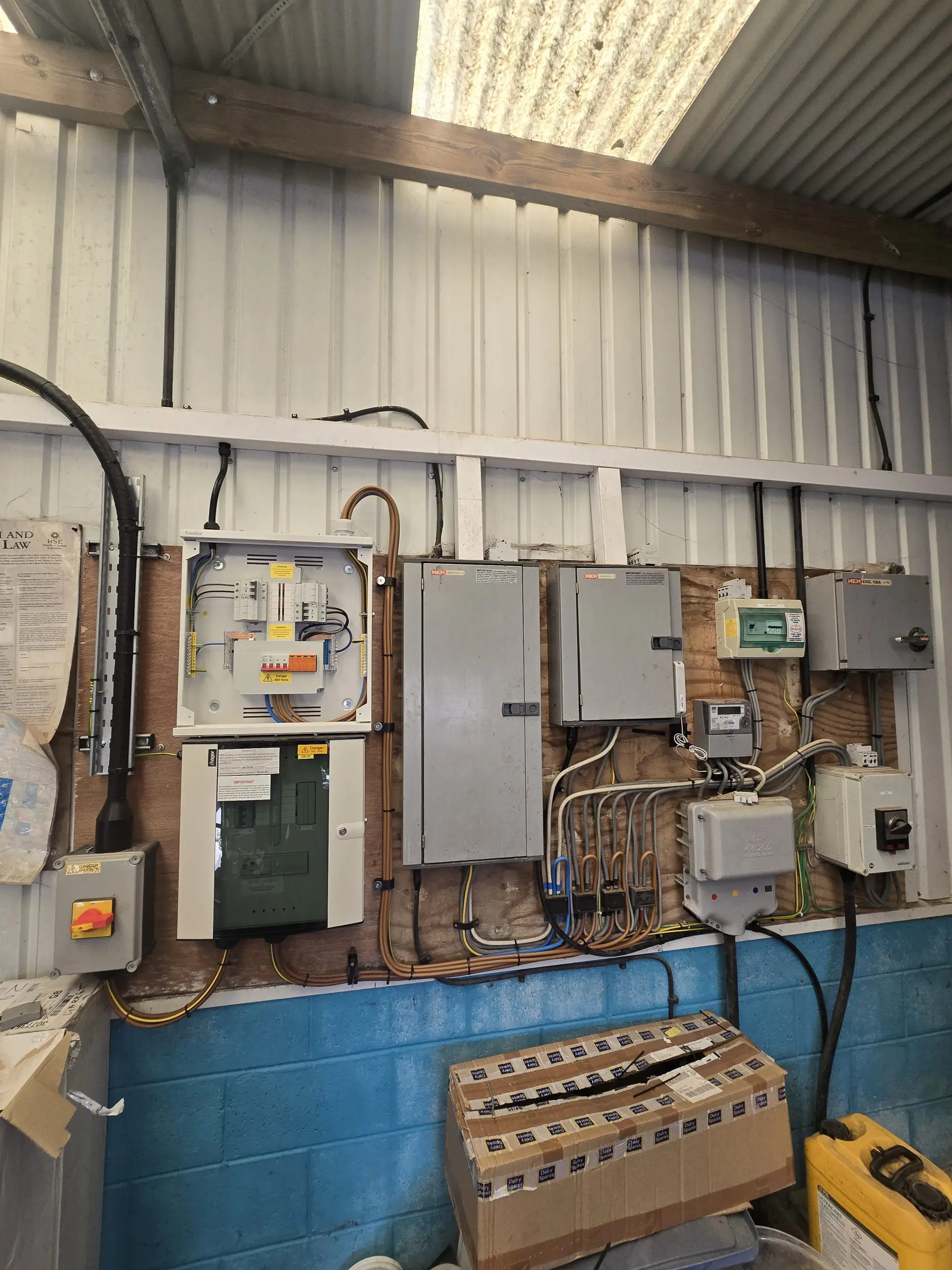
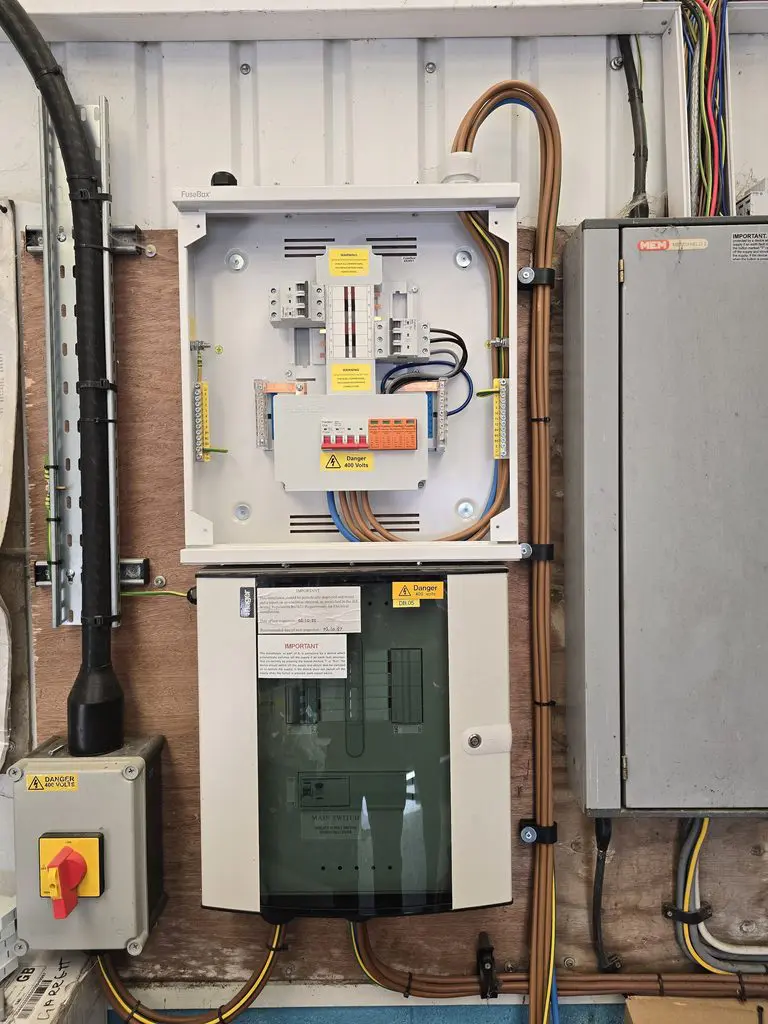
New fuseboards are built to current wiring regulations, with a non-combustible enclosure, 30 mA RCD protection on most circuits, and surge protection where required. Many use an RCBO on each circuit, so one fault does not cut power to the rest. Every consumer unit installation we complete includes a printed circuit schedule, and each fuseboard installation allows spare ways for future circuits. Your trusted electrician will explain the options for your fuseboard upgrade when quoting.
Checking the Existing Installation First
Before the old board comes off, your electrician will test the existing wiring, earthing, and bonding. Modern RCDs are far more sensitive than old fuses, so hidden faults can trip a new board immediately, and finding them early lets us resolve them during the consumer unit installation. Some properties in Thornbury, Yate, or the surrounding areas need an isolator fitted by the energy supplier before a fuseboard replacement, and we help arrange this so your consumer unit replacement goes ahead on schedule.
Fitting, Testing, and Certifying the New Board
We agree on timings in advance, as the power is off while the new board is mounted, connected, and labelled. Every circuit is tested to confirm the fuseboard installation meets BS 7671, and you receive an Electrical Installation Certificate. Replacing a consumer unit is notifiable under Part P, so as a NAPIT-registered electrician, we self-certify each fuseboard upgrade and notify building control, so each consumer unit replacement comes with the paperwork needed when selling or letting.
Boards for Homes, Rentals, Businesses, and Farms
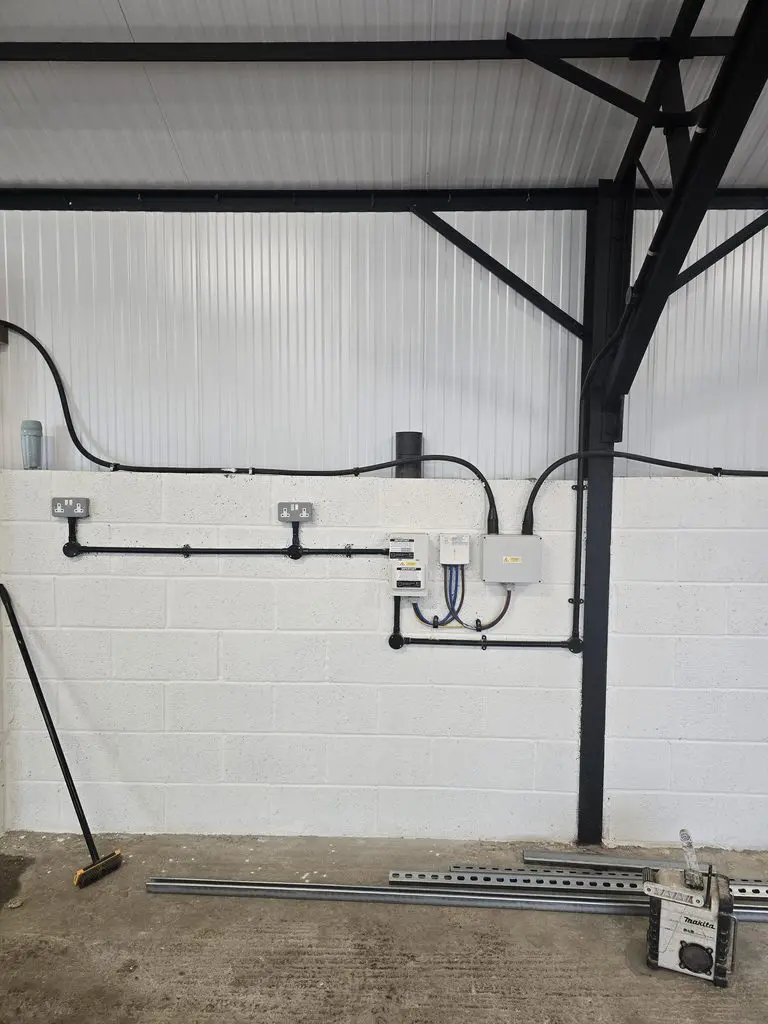
Landlords often book a fuseboard replacement after an EICR, while businesses may need three-phase boards for heavier loads. On farms in Thornbury, Yate, and beyond, a consumer unit installation in a barn or workshop needs enclosures suited to damp and dust. New fuseboards also suit homeowners adding EV charging or solar panels, as a well-planned fuseboard installation leaves room for new circuits. Our 24-hour emergency call-out covers boards that fail without warning.
FAQs – New Fuseboards
There is no practical difference, as fuseboard, fuse box, and consumer unit all describe the same equipment. Consumer unit is the term used in the wiring regulations for the board that takes the incoming supply and distributes it to each circuit. Older boards used fuses, while modern units use circuit breakers, RCDs, or RCBOs, although many people still call them fuseboards.
No law requires you to replace a fuseboard simply because of its age. Installations built to earlier editions of the wiring regulations can remain in service, although any alterations or additions must meet the current standard. Replacement usually becomes necessary when an EICR records a C2 defect relating to the board, when new circuits are planned, or when the board shows damage.
A typical domestic fuseboard replacement takes around a day, with the power off for much of that time. The exact duration depends on the number of circuits, the condition of the existing wiring, and any faults found during testing. Larger properties and three-phase supplies can take longer, and the job is only complete once every circuit has been tested and certified.
Yes, replacing a consumer unit is notifiable work under Part P of the Building Regulations in England. An electrician registered with a competent person scheme can self-certify the work and notify building control on your behalf. Carrying out notifiable work without a registered electrician or a building control notification is an offence, and the council can require the work to be redone.
Arrange a Visit from Our Electricians
Signature Electrical Solutions installs new fuseboards across Thornbury, Yate, and the wider Bristol area, alongside rewires, EV charging, landlord certificates, and agricultural electrical services. To arrange a visit, call our team on 07472 067748.